A Musical Eco
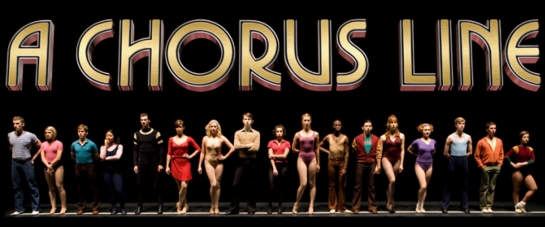
Umberto Eco once wrote that “Every Broadway musical is, as a rule, nothing other than the story of how it is put on.”1 His insight into what the various plots have in common is striking because it is equally true of great paintings. The common features of a great musical are, of course, more obvious than those in poetry because mass entertainment tends to drop the veil of metaphor to make meaning clearer. Poetry is more circumspect though the same process is at work as I have shown in hundreds of artworks. So, to echo Eco, art is (as a rule) nothing other than the story of its own making.
For those not familiar with Broadway musicals, here are seven of the most successful:
42nd Street (1980) - a Broadway director’s attempt to mount a musical
Chorus Line (1975) - dancers auditioning to perform in a musical
The Sound of Music (1959) - about the power of music
All That Jazz! (1979) - Bob Fosse's semi-autobiographical account of a life in musicals
The Barkeleys of Broadway (1949) - about a husband-and-wife musical comedy duo
The Band Wagon (1953) - followed a new musical as it traveled the road to Broadway.
Chicago (1975), on the other hand, was not so obviously self-referential. Its method was more similar to the visual poetry we describe, its true subject veiled under a different storyline. The plot follows Roxie’s attempt with the help of her lawyer to manipulate the jury in the theater of the courtroom, the way a director and actress manipulates an audience.
1. Umberto Eco, “Innovation & repetition: between modern and postmodern aesthetics”, Daedalus 134, Fall 2005, p. 199
Posted 20 Jul 2011: Music as ArtTheoryWriters
The EPPH Blog features issues and commentary.



Reader Comments