Should we look for Originality or Similarity?
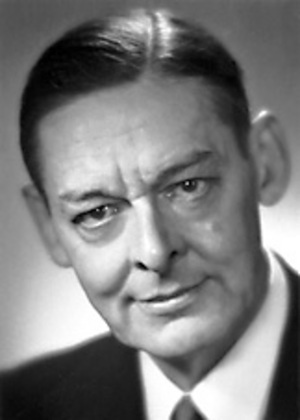
T. S. Eliot
Some of the interpretations revealed here are so self-evident that you might wonder why art scholars never saw them before. I think there are many reasons but one is key. While we look for what art has in common with earlier art, academics tend to look for what is different. How does Manet differ from Monet, or Impressionism from Symbolism? As specialization has spread, young scholars have become expert in smaller and smaller subdivisions. In consequence, they define and defend their turf by noting what differentiates their specialty from the next, not what unites them. It's a big mistake.
T.S.Eliot noted the problem among literary critics when he commented on: ‘our tendency to insist, when we praise a poet, upon those aspects of his work in which he least resembles anyone else. In these aspects or parts of his work we pretend to find what is individual, what is the peculiar essence of the man. We dwell with satisfaction upon the poet’s difference from his predecessors, especially his immediate predecessors; we endeavour to find something that can be isolated in order to be enjoyed. Whereas if we approach a poet without this prejudice we shall often find that not only the best, but the most individual parts of his work, may be those in which the dead poets, his ancestors, assert their immortality most vigorously.’1
What do you think?
First published August 2010. Recycled June 2012.
1. Cited in Thomas McFarland, “The Originality Paradox”, New Literary History 5, Spring 1974, p. 456
Posted 29 Jun 2012: TheoryVisual PerceptionWriters
The EPPH Blog features issues and commentary.



Reader Comments