Wonder of the Age: Master Painters of India
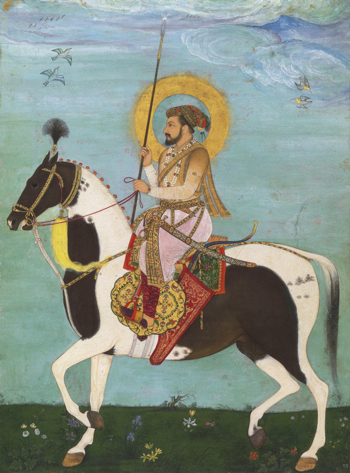
Payag, Shah Jahan riding a stallion, from the Kervorkian Album
What a difference! The Metropolitan Museum’s new exhibition of Indian art, Wonder of the Age, Master Painters of India 1100-1900, is a joy to visit. Instead of a confusing mass of breath-taking illuminations by anonymous craftsmen, as exhibitions of Indian art were in the past, over twenty artists are now identified by name, often with a self-portrait too and some biographical details. Another ten or more are given specific titles like painters from the Middle Ages. You know, Master of the Barn Door etc. I am not in favor of biographical interpretation of art - an artist’s life is rarely illustrated in his art, not even Picasso’s – but it puts large bodies of art into a specific order that can then be addressed individually, one image by that artist helped to make sense by another. All art should be studied as part of an individual’s oeuvre, something that Indian specialists can now start doing. I wish them luck.
It will be particularly interesting to know whether any Indian artists worked around their culture’s version of the themes discussed in Western art. How self-referential are the images? Are battles and physical fights used as visual metaphors for the making of art itself? Do they address larger issues than the demands of the patron? Etc., etc. I know practically nothing about Indian art but I have, somewhat riskily, tried to interpret just one image from the exhibition, the unforgettable illumination of Shah Jahan riding on horseback. Take a look. It does seem to have intriguing parallels with Western art.
Posted 29 Nov 2011:
The EPPH Blog features issues and commentary.



Reader Comments