Every Painter Paints Himself
Every painter paints himself, a saying first documented in the early Renaissance, has been mentioned by artists ever since. Both Michelangelo and Leonardo da Vinci used it, as Picasso did too; Lucian Freud and other contemporary artists still cite variations today. Yet despite its great significance to artists, art scholars rarely discuss the saying or its meaning. Those who do seem to have no choice but to deny it: painters don’t really paint themselves, they say, but their sensibility. But why would a phrase that meant so much to great masters, and still does to their followers, require re-phrasing to mean anything? The truth is, as this website demonstrates, it is the images of these visual artists that are veiled, not their words.
All Articles (Alphabetical by Artist, then Title)
Baudelaire's linking of Painting with cosmetics in the nineteenth century was not a novel idea, as long believed, but one with a very long history indeed
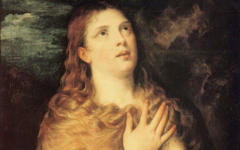
Titian’s Mary Magdalene(s) (c.1530-60)
Even in the remaining fragment of a much larger canvas there is still much to see
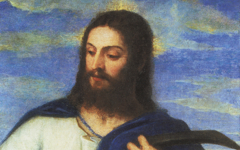
Titian’s Noli Me Tangere fragment (1553-4)
Train your visual memory to recall similar poses in quite different situations; they usually have some meaning in common
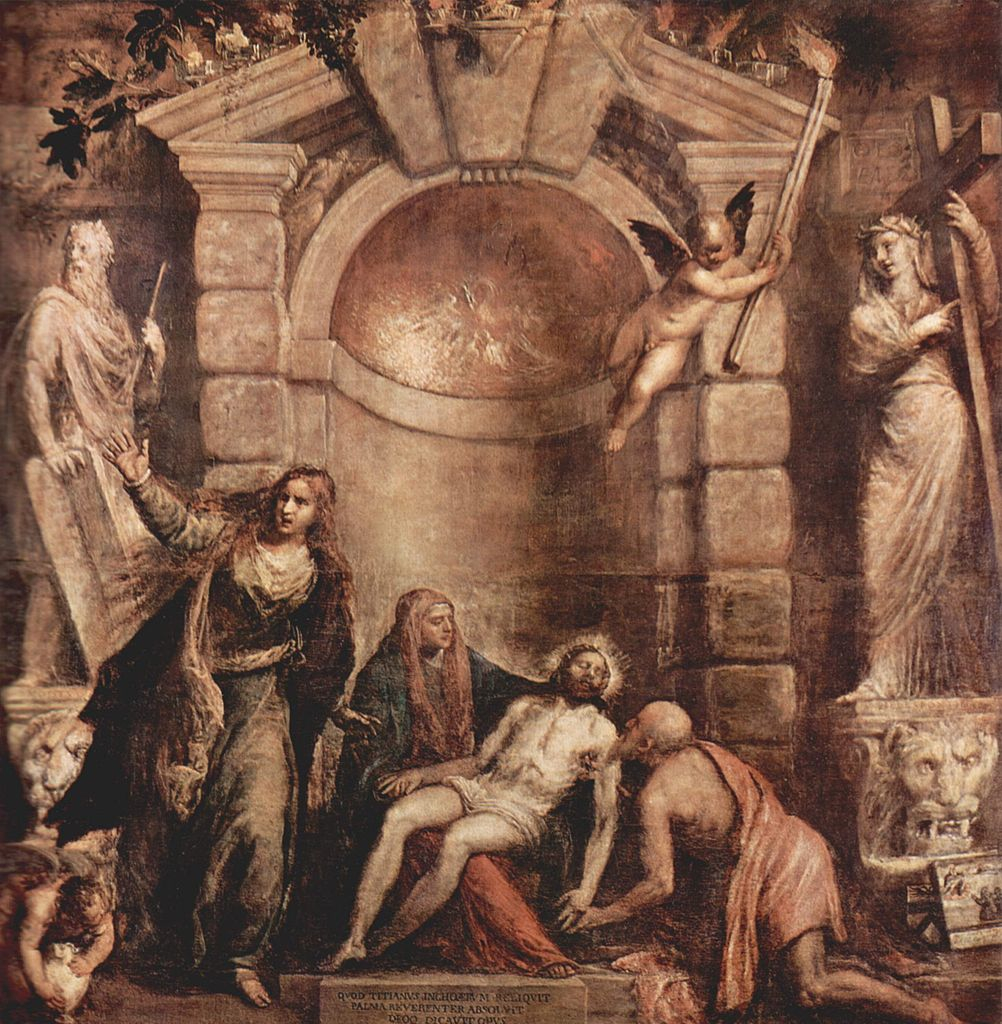
Titian’s Pieta (c.1575)
Relax. Look past the superficial forms to see what's really there.
Titian’s Pope Paul III and His Grandsons (1545-6)
See how one artist identifies with another even if they are rivals
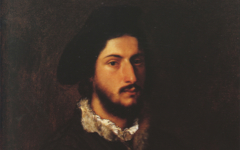
Titian’s Portrait of a Gentleman (c.1520)
Look for the artist's initials where you might expect them
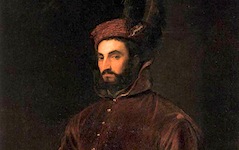
Titian’s Portrait of Ippolito de’ Medici (1533)
A much-loved painting contains a marvelous self-portrait in the clouds
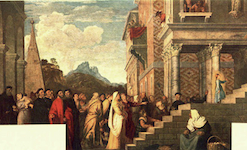
Titian’s Presentation of the Virgin in the Temple (1534-38)
Get to know what painters and sculptors look like at work - and their various processes - and your brain will penetrate the surface of a painting in no time. A painting like this one...
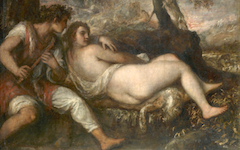
Titian’s Shepherd and Nymph (c.1575-6)
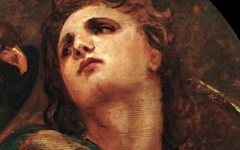
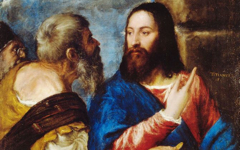
Find out what touching, hands and pointing fingers mean for Titian
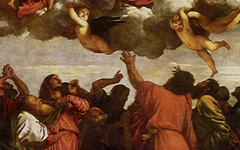
Titian’s Touch: Noli Me Tangere (1511-12), Assunta (1520) and Self-portrait (c1560-62)
Artists sometimes depict themselves as an extraneous figure, often in the foreground and not part of the written story.
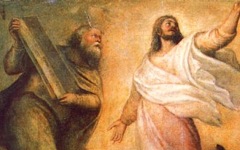
Titian’s Transfiguration (1560-65)
See what Manet recognized in Titian and how we can then learn it from Manet
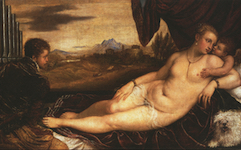
Titian’s Venus (c.1548-9) and Manet’s Olympia (1863)
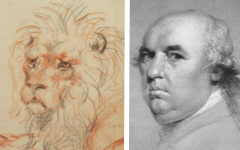
See how Titian tricks us into thinking there is one reality in art when there are, at least, two
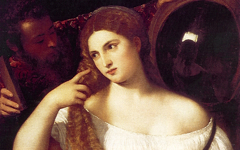
Titian’s Woman with a Mirror (1512-15)
A simple demonstration of how one craftsman stands for another
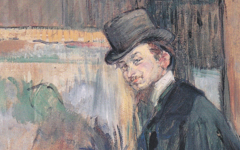
Toulouse-Lautrec’s Portrait of Henri Nocq (1897)
Turner's landscapes with distant views are based, in turn, on close-ups of his own face

Turner’s The Fifth Plague of Egypt (1800)
If a poet uses a storm as a metaphor, who mistakes it for a real storm? Why do so in art?
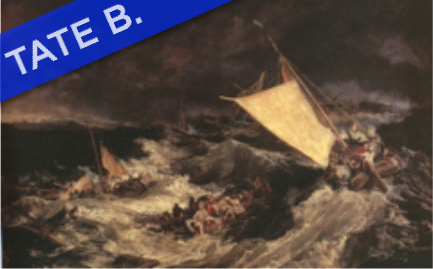
Turner’s The Shipwreck (1805)
The more you try to see what others can't, the more you'll see
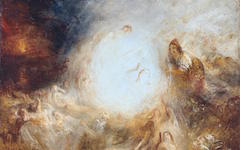
Turner’s Undine Giving the Ring to Masaniello, Fisherman of Naples (c.1845-6)
See how the face of the same sitter changes depending on who paints him
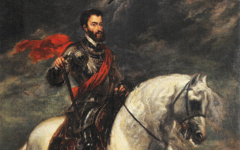
Van Dyck’s Emperor Charles V (c.1623) and Titian’s too
A Van Dyck portrait at the Frick reveals some of its secrets easily
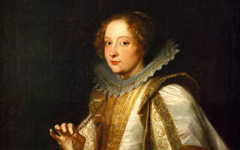
Van Dyck’s Marchesa Cattaneo (c.1622-7) at The Frick
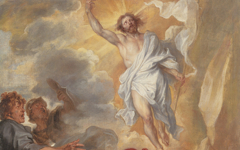
Familiarize yourself with the gestures of "painting" and why figures are sometimes out-of-scale
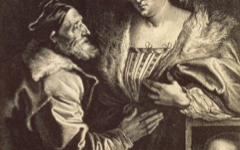
Van Dyck’s Titian and His Mistress (1630’s)
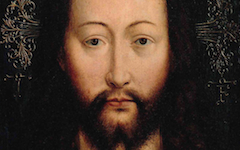
Whatever the reasons for his style, Van Gogh made full use of the distortions
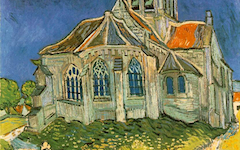
Van Gogh’s Church in Auvers-sur-Oise (1890)
Van Gogh is one of the few artists whose hidden elements revealed on EPPH confirm the conventional view of his art.
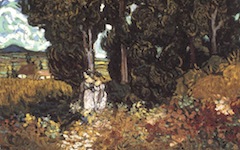
Van Gogh’s Cypresses with Two Female Figures (1889)
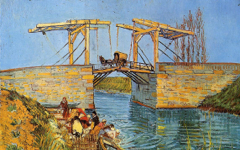
A spiritual journey is one of the basic plots of literature and a common metaphor in both philosophy and religion. Why not art?
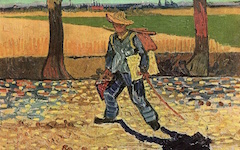
Van Gogh’s On the Road to Tarascon (1888)
One of Van Gogh's first portraits in France of someone other than himself was "himself"
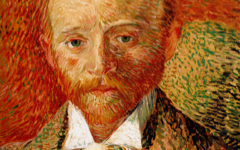
Van Gogh’s Portrait of Alexander Reid (1887)
Landscapes, if art, are never just landscapes. Are they even landscapes? The Chinese call them "Mindscapes"
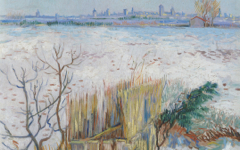
Van Gogh’s Snowy Landscape with Arles in the Background (1888)
See how a portrait viewed one way resembles a portrait; viewed another way turns the world inside out
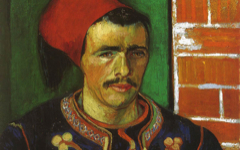
Van Gogh’s The Zouave (1888)
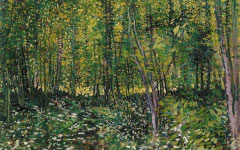
How Van Gogh turned a self-portrait into an iconic landscape
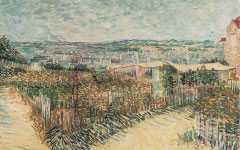
Van Gogh’s Vegetable Gardens at Montmartre (1887)
See why knowledge of a painter's practice can lead to a different, and more accurate, interpretation of a scene.
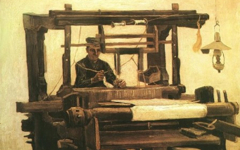
Van Gogh’s Weavers (1884)
Find out how saint, Virgin and ox are all the artist
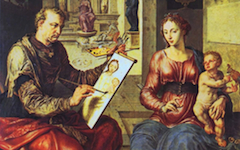
Van Heemskerck’s St. Luke Painting the Virgin and Child (1538-40)
See how Velazquez's king in The Frick Collection, New York, is not a "portrait" of the king
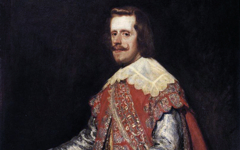
Velazquez’ King Philip IV in the Frick Collection (1644)
The Velazquez that the Louvre doesn't show anymore is not what curators think. Ask Millet, Manet, Degas, Matisse or Picasso....
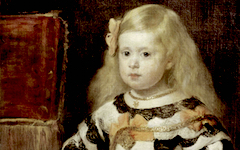
Velazquez’s Infanta Margarita (1653)
This painting of a sculptor sculpting has always confused viewers because he looks like he's drawing. Is he?
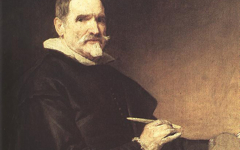
Velazquez’s Juan Martinez Montanes (1636)
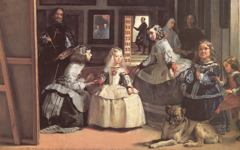
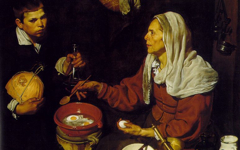
Discover how the figure of an actor by Velazquez contains far more than just the figure of an actor
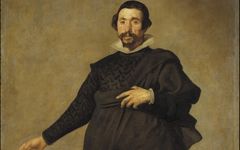
Velazquez’s Pablo de Vallodolid (1636-7)
Keep an eye on the "errors" in art and you will find the solutions
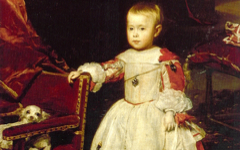
Velazquez’s Portrait of Infante Felipe Prospero (1659)
The magic of visual illusion was not an invention of the Surrealists; it has been an integral part of art for centuries.
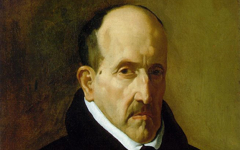
Velazquez’s Portrait of Luis de Góngora (1622)...and Picasso’s.
See how Velazquez portrays the artist and his art and then apply the lesson learned elsewhere
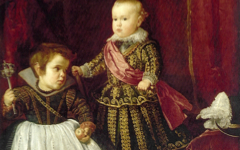
Velazquez’s Prince Baltasar Carlos with a Dwarf (1632)
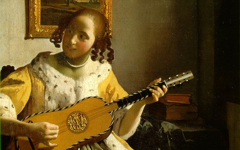
There is more to Vermeer than a pretty scene and dull symbolism
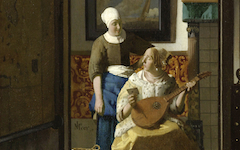
Vermeer’s The Love Letter (c.1669-70)
This picture uses so many of the themes and methods explained on EPPH that I can note only a few. Try exercising your own perception on the rest.
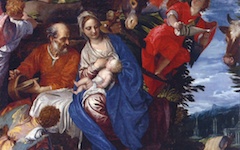
Veronese’s Rest on the Flight into Egypt (c.1572)
Sometimes one of the secrets of art is so obvious, no-one sees it
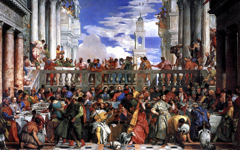
Veronese’s The Marriage at Cana (1563)
Everyone agrees that this work by Verrocchio breaks new ground but why? And what does it mean?
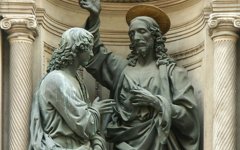
Verrocchio’s Christ and St. Thomas (1467-83)
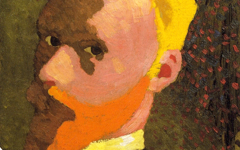
Artists often identify with other artists, using them as an alter ego. Here is an exceptionally clever one.
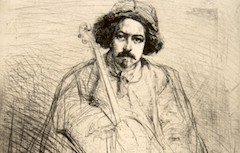
Whistler’s J. Becquet, Sculptor (1859)
Page 10 of 11 pages ‹ First < 8 9 10 11 >
© Simon Abrahams. Articles on this site are the copyright of Simon Abrahams. To use copyrighted material in print or other media for purposes beyond 'fair use', you must obtain permission from the copyright owner. Websites may link to this page without permission (please do) but may not reproduce the material on their own site without crediting Simon Abrahams and EPPH.