Every Painter Paints Himself
Every painter paints himself, a saying first documented in the early Renaissance, has been mentioned by artists ever since. Both Michelangelo and Leonardo da Vinci used it, as Picasso did too; Lucian Freud and other contemporary artists still cite variations today. Yet despite its great significance to artists, art scholars rarely discuss the saying or its meaning. Those who do seem to have no choice but to deny it: painters don’t really paint themselves, they say, but their sensibility. But why would a phrase that meant so much to great masters, and still does to their followers, require re-phrasing to mean anything? The truth is, as this website demonstrates, it is the images of these visual artists that are veiled, not their words.
All Articles (Alphabetical by Artist, then Title)
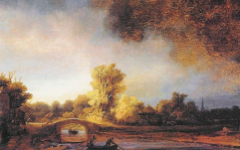
See how Rembrandt concisely expresses the underlying idea of art in a Roman myth
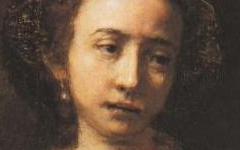
Rembrandt’s Lucretia (1666)
Several clues, easy to spot, reveal the true underlying meaning of two similar masterpieces
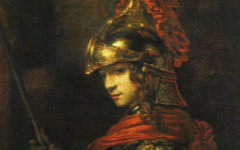
Rembrandt’s Man in Armour (1655) and Minerva (c.1655)
Find out why people pee on etchings
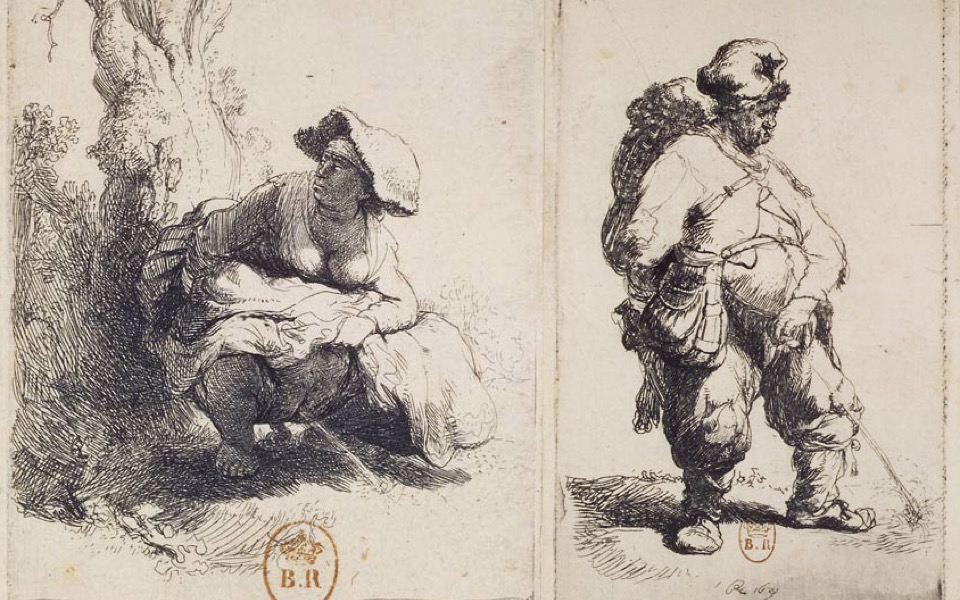
Rembrandt’s Man Making Water (1631) and Woman Making Water and Defecating (1631)
Learn about other methods Rembrandt used to convey his message
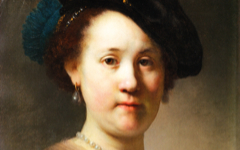
Rembrandt’s Portrait of a Young Woman (1632)
This painting which depicts Rembrandt crucifying Christ is an excellent example of the alternative way to read art, not viewing it as an illustration but as poetry.
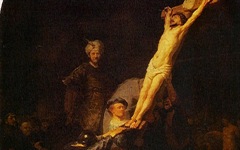
Rembrandt’s Raising of the Cross (c.1633)
It can be difficult to explain why Rembrandt portrayed himself as a beggar. Here's what I think...
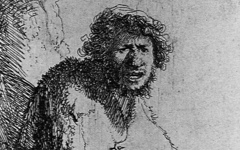
Rembrandt’s Self-portrait as A Beggar Seated on a Bank (1630)
Learn how to look and what to look for, and how touching is painting

Rembrandt’s Self-Portrait with Saskia (c.1635)
If you didn't know that EPPH, you would never understand this image….nor would anyone else.
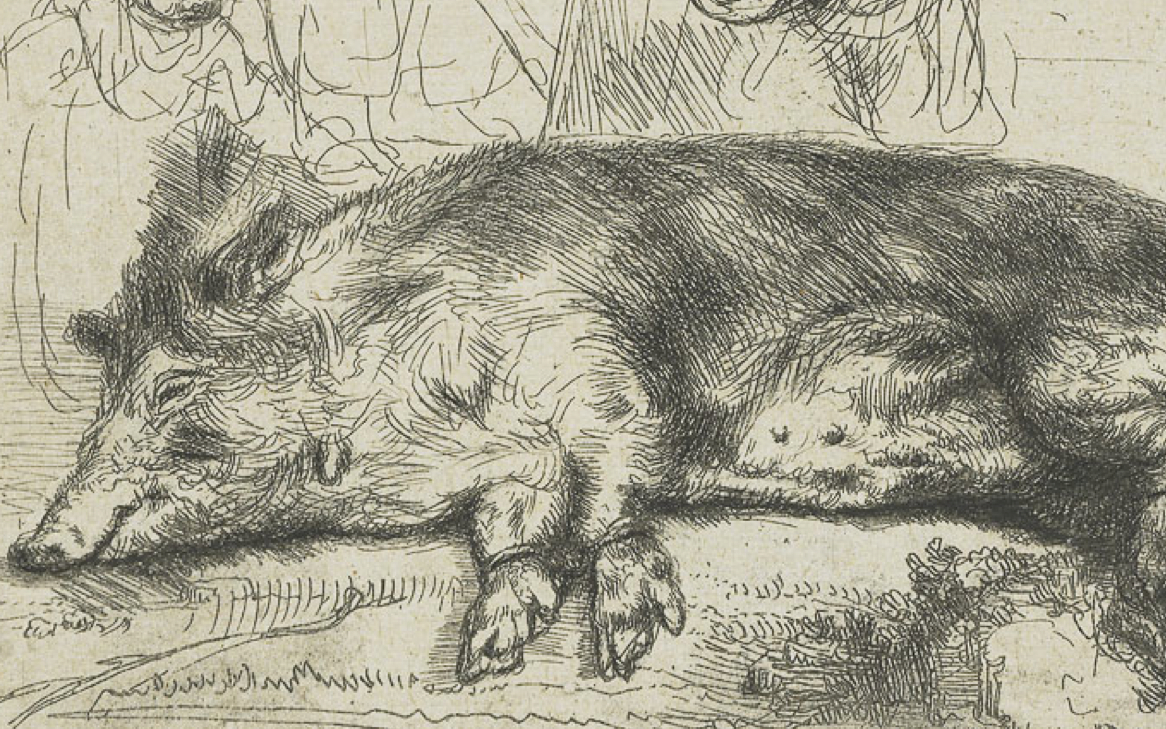
Rembrandt’s The Hog (1643)
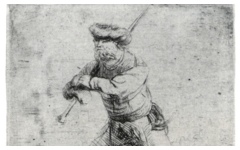
How Rembrandt's method, and that of great artists in general, is present in his earliest extant painting
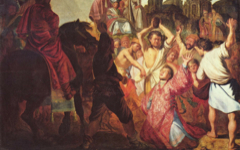
Rembrandt’s The Stoning of St. Stephen (1625)
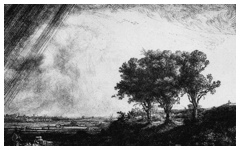
The presence of a mystery in an artwork, intentionally made mysterious by the artist, does not mean that the mystery cannot be solved. Mysteries are made to be resolved.
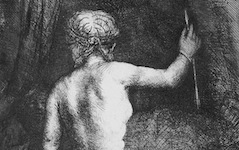
Rembrandt’s Woman with the Arrow (1661)
An essential question about any picture: does the figure resemble an artist at work?
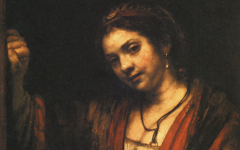
Rembrandt’s Young Woman Leaning Against a Door (1657)
How a Renaissance artist used an optical illusion to convey meaning
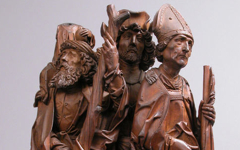
Remenschneider’s Three Helper Saints (c.1500-05)
Discover a common way how artists demonstrate their identity with their protagonist. You can use the method to interpret other paintings by other artists.
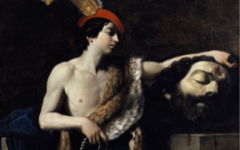
Reni’s David with the Head of Goliath (1605)
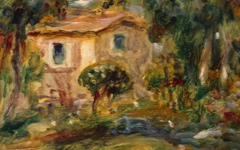
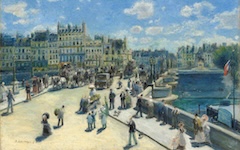
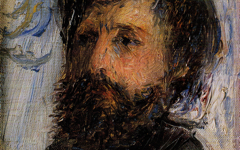
If you like Renoir but can't see Raphael, you won't see Renoir's Raphael
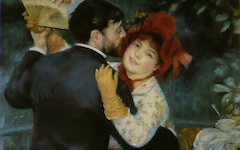
Renoir’s Dance in the Country (1883)
Once you see how Norman Rockwell, the so-called illustrator, turned contemporary politics into a contemplation on the creative process, you should start to appreciate how ageless the theme is.
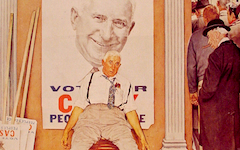
Rockwell’s Before and After (1958)
The Inner Tradition as practised by a Catholic artist....
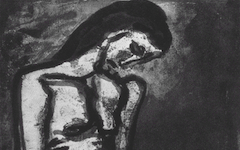
Rouault’s Miserere: Eternally Scourged (1922)
See how Rubens turned a variation on a Leonardo composition into a scene of creative struggle in his own mind
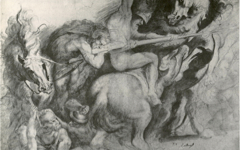
Rubens’ Battle of the Standard (c.1600) after Leonardo
Looking at how one great master copies another is a useful lesson in seeing the meaning in art
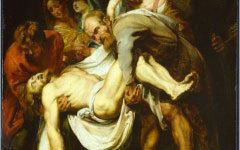
Rubens’ Copy of Caravaggio’s Entombment (1612-14)
Learn how one artist copies another and makes it his own
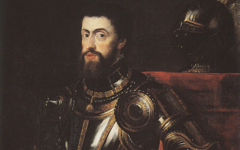
Rubens’ Copy of Titian’s Charles V in Armor with a Drawn Sword (c.1603)
See how Rubens' own face is veiled behind a drawing of a forest path
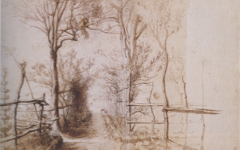
Rubens’ Forest Path (n.d.), a drawing
All art depicts the artist's mind. Here's one way you can see it.
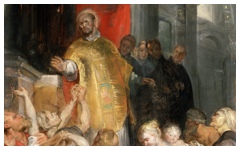
Rubens’ Miracles of St. Ignatius of Loyola (c.1619)
Learn how a mythological scene represents the anatomy of the brain/mind
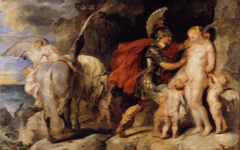
Rubens’ Perseus Freeing Andromeda (c. 1622)
In photographs taken with a macro lens, showing an object in extreme close-up, it can be difficult to recognize the subject. It is the same in painting. However, if you know it's a close-up, it's easier.
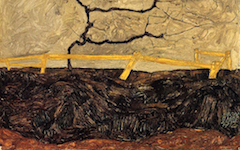
Schiele’s Bare Tree Behind a Fence (1912)
Don't take portraits at face value. If they're art, there's always more to them.
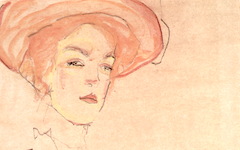
Schiele’s Portrait of a Lady in an Orange Hat (1910)
In the epistle of an apostle, the letters matter; as they also do in the self-portrait of a prophet, even if self-proclaimed.
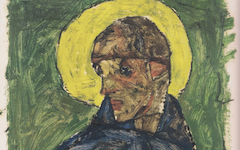
Schiele’s Self-portrait as a Saint (1913)
In a poster for an exhibition of his paintings (above) Egon Schiele drew on the age-old tradition of presenting St. Sebastian as a symbol for the artist himself suffering the pangs of artistic creation.
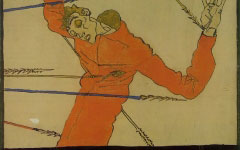
Schiele’s Self-portrait as Saint Sebastian (1914-15)
How even in the 15th century an artist thought of himself as Christ...and said so.
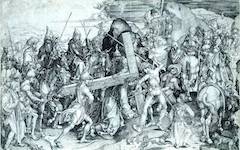
Schongauer’s Christ Carrying the Cross (c.1475)
In Martin Schongauer’s woodcut of St. George and the Dragon, the monster is an alter ego of the artist. Or, at least he represents an aspect of the artist’s mind.
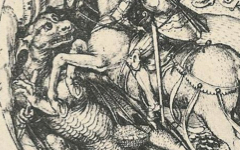
Schongauer’s St. George and the Dragon (c.1480)
Keep an eye out for the animals in religious scenes
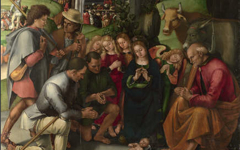
Signorelli’s Adoration of the Shepherds (c.1496)
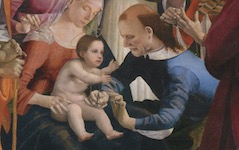
Look at art from every which way you can. You never know what you might see.
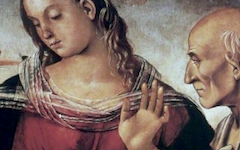
Signorelli’s Virgin & Child with John the Baptist and Donor (c.1491-4)
Evidence for art's self-referential allegory pre-dates the High Renaissance
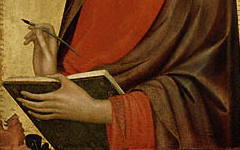
Simone Martini’s St. Luke (c.1330’s) and other saints
Even the most natural-looking portraits can be something other than they seem
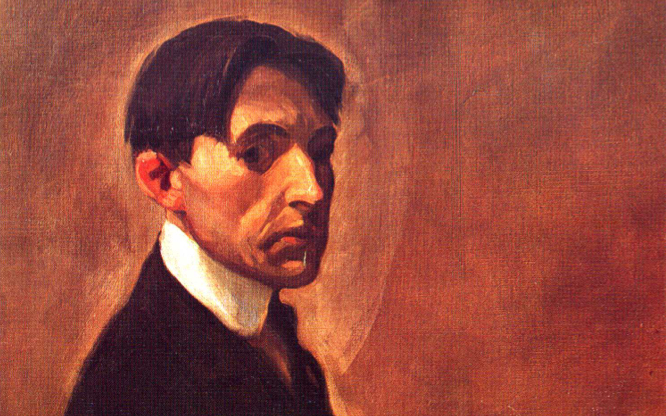
Sloan’s Portrait of George Sotter (1902)
Have you ever wondered why so many still-lifes have an open drawer under the table-top?
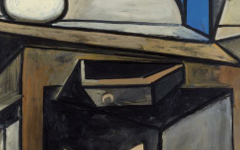
The Open-Drawer Question
Yet another visual illusion that has never been published.
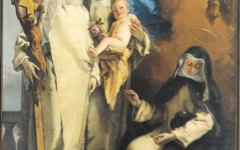
Tiepolo’s Virgin Appearing to St. Catherine… (1748)
One of Titian's masterpieces, it was destroyed by fire in 1577 but recorded in this engraving. Its secret, though, lives on.
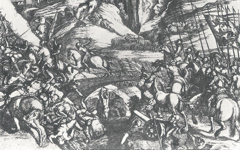
Titian’s Battle of Cadore (1538-9)
It is impossible to exaggerate the importance of how Renaissance artists identified with God. Both pervasive and unknown, the idea needs emphasizing to demonstrate its near-ubiquity. Here is yet one more example by Titian.
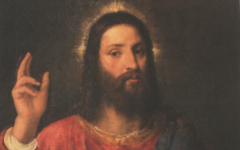
Titian’s Christ Blessing (c.1560)
Page 9 of 11 pages ‹ First < 7 8 9 10 11 >
© Simon Abrahams. Articles on this site are the copyright of Simon Abrahams. To use copyrighted material in print or other media for purposes beyond 'fair use', you must obtain permission from the copyright owner. Websites may link to this page without permission (please do) but may not reproduce the material on their own site without crediting Simon Abrahams and EPPH.