Every Painter Paints Himself
Every painter paints himself, a saying first documented in the early Renaissance, has been mentioned by artists ever since. Both Michelangelo and Leonardo da Vinci used it, as Picasso did too; Lucian Freud and other contemporary artists still cite variations today. Yet despite its great significance to artists, art scholars rarely discuss the saying or its meaning. Those who do seem to have no choice but to deny it: painters don’t really paint themselves, they say, but their sensibility. But why would a phrase that meant so much to great masters, and still does to their followers, require re-phrasing to mean anything? The truth is, as this website demonstrates, it is the images of these visual artists that are veiled, not their words.
All Articles (Alphabetical by Artist, then Title)
Michelangelo's first great masterpiece is widely misunderstood. Like art in general, it is an expression of the creative moment.
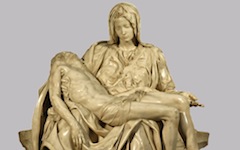
Michelangelo’s Vatican Pieta (1498-99)
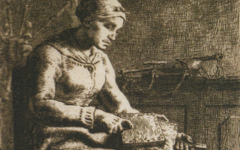
Discover how you can unlock layers of meaning from a relatively simple composition
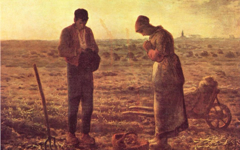
Millet’s The Angelus (1857-9) and other works
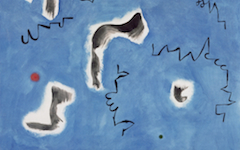
One way to make sense of Miró's abstractions is to remember, as ever, that 'every painter paints himself.'
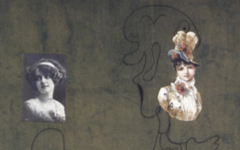
Miró‘s Drawing-Collage (1933)
Miró's variations on his name inspired one image after another, all unseen until now. Take a look.

Miró‘s Name in Miró‘s Art (1937-69)
See how Miró wrote his name in large letters across his canvas yet left his viewers blind
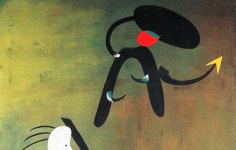
Miró‘s Painting (1933)
Miró's inventive and individualistic style, however modern, is merely a complement to his deep traditionalism. And that's as it should be.
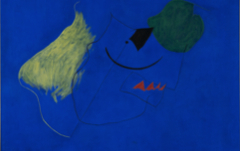
Miró‘s Painting / The Circus Horse (1927)
Discover yet another example of how Miró's composition is based on his own name
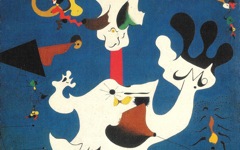
Miró‘s Potato (1928)
If a self-portrait was collected by Picasso as this one was, there must be a reason beyond remembrance. It's our job to find out what.
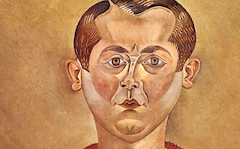
Miró‘s Self-portrait (1919)
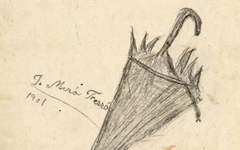
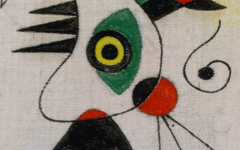
Consistency is often the hallmark of a great artist. This drawing by the 17-year old Miró is a remarkable demonstration of it.
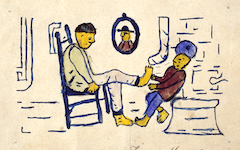
Miró‘s The Podiatrist (1901)
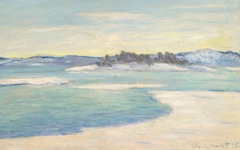
Is landscape portraiture? Monet clearly thinks so.
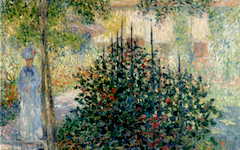
Monet’s Camille Monet in the Garden at Argenteuil (1876)
Underneath the architecture of Monet's cathedrals is a major surprise
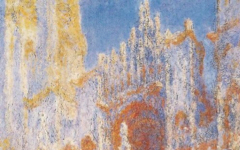
Monet’s Rouen Cathedral (1892-4)
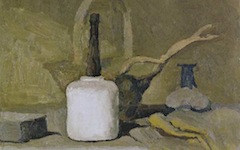
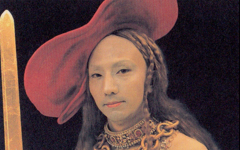
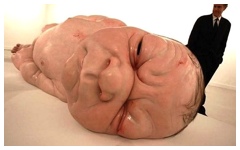
Like scripture, there are two ways to view a landscape: externally and internally. See how...
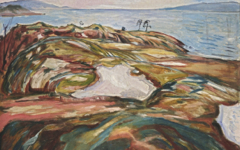
Munch’s Coastal Landscape (1918)
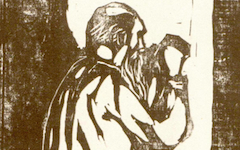
Did you know that....? There's so much to see for the first time, even in the most familiar images
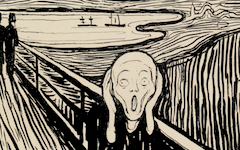
Munch’s The Scream (1895)
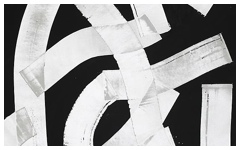
The theme of an executioner with a decapitated head as a visual metaphor for a painter continues to this day.
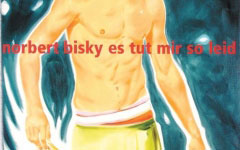
Norbert Bisky’s Youths with Decapitated Heads (2006-08)
Many were scandalized by this painting in the 1990's yet still missed the "real" scandal!
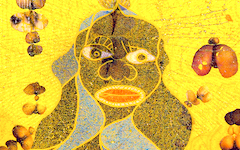
Ofili’s The Holy Virgin Mary (1996)
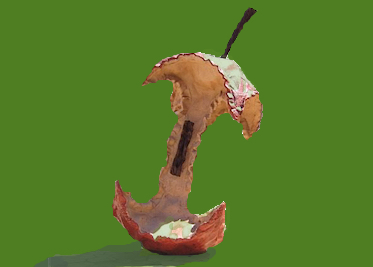
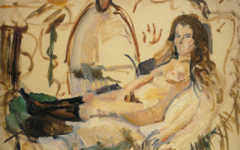
Learn how a common pose in art carries specific meaning, regardless of subject matter
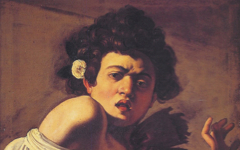
Over-the-Shoulder Poses
Keeping alert to differences in style within a painting can help unlock its meaning
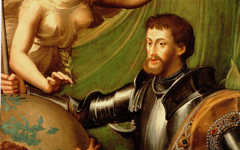
Parmigianino’s Allegorical Portrait of Emperor Charles V (1529-30)
More evidence that an illusionistic portrait is not necessarily a depiction of what we normally see
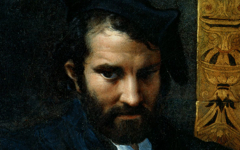
Parmigianino’s Man with a Book (1523-4) with works by Titian and Michelangelo too
Indian art though always separated from Western art, in both museums and scholarship, may have more in common with it than ever thought before.
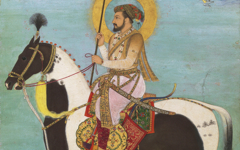
Payag’s Shah Jahan Riding a Stallion (c.1628)
Peale's American portraits have more in common with great European art than is generally accepted.
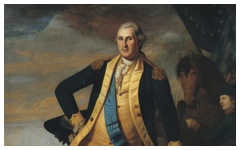
Peale’s Portrait of George Washington (c.1780)

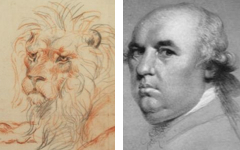
In this early painting of St. Sebastian by Perugino the artist signed his name as though it was the arrow: "Opus Peruginus Pinxit."
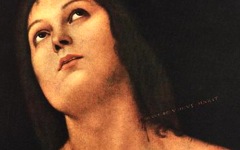
Perugino’s Bust of St. Sebastian (1493)
Find out why so many of Perugino's faces look alike
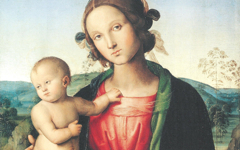
Perugino’s Madonna and Child (n.d.) and Mary Magdalene (1500)
One of the earliest self-portraits in stone is based on the likeness of the king, or vice versa
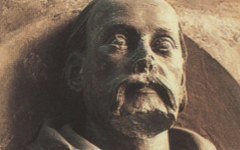
Peter Parler’s Self-Portrait (c.1370-79)
"Genius" is derided nowadays in academia but, if there is no such thing, how did a 13-year old Picasso know what art historians never have?
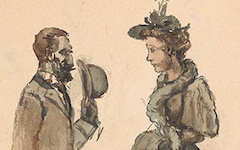
Picasso’s A Gentleman Greeting a Lady (1894-5)
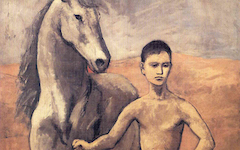
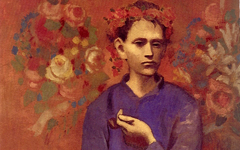
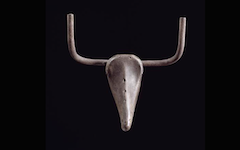
"Picasso" paints from the other side of the image using a cigarette for a brush
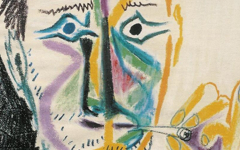
Picasso’s Bust of a Man with a Cigarette (1964)
Two protagonists in one painting must both represent the artist. It's a given in art so it's your job to find out how.
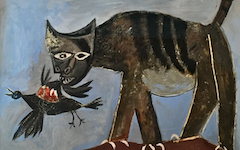
Picasso’s Cat Catching a Bird (1939)
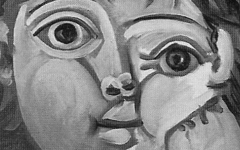
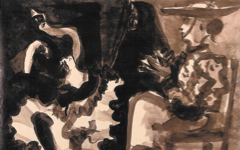
Learn to recognize the letters of Picasso's signature, a key to many of his works
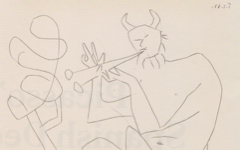
Picasso’s Faun Flutist (1947)
Here is a very obvious example of one artist's identification with another
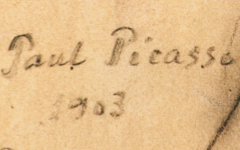
Picasso’s Female Nude in Profile 〈1902〉
When you discover what is underneath Picasso's early Blue Period paintings, the meaning changes...drastically.
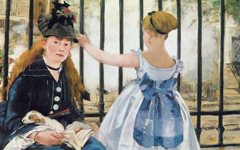
Picasso’s Harlequin (1901) and Blue Period
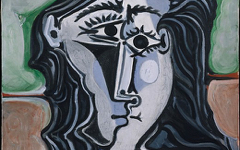
How we know that the young Picasso knew his destiny
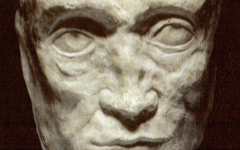
Picasso’s Head of Picador with Broken Nose (1903)
Learn how to use double-vision, a critical tool for interpretation
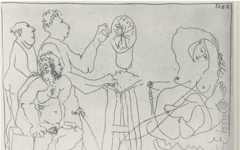
Picasso’s In the Sculptor’s Studio (1963)
Learn how the young Picasso played around with several themes in a relatively simple composition
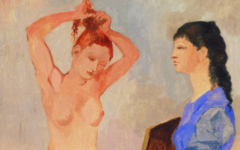
Picasso’s La Toilette (1906)
Picasso turned the face of a Spanish queen into a townscape by fusing the two
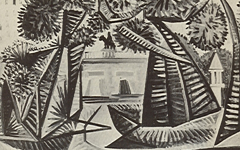
Picasso’s Le Vert-Galant (1943)
Page 7 of 11 pages ‹ First < 5 6 7 8 9 > Last ›
© Simon Abrahams. Articles on this site are the copyright of Simon Abrahams. To use copyrighted material in print or other media for purposes beyond 'fair use', you must obtain permission from the copyright owner. Websites may link to this page without permission (please do) but may not reproduce the material on their own site without crediting Simon Abrahams and EPPH.