The Inner Tradition
This is perhaps the most difficult part of your journey towards looking at art through the artist’s own eyes, especially if you believe in Christ and belong to an established Church. It is important because so much of Western art, especially in the Renaissance, depicts religious themes. Few people know that there are at least two ways of reading the Bible: the conventional exoteric tradition favored by the various Churches and the esoteric tradition practised, often in secrecy, by individual mystics, saints, prophets, poets and visual artists too. It is little known because over the centuries many of its practitioners have been denounced as heretics by the Church and their writings destroyed. Nevertheless their approach was practised by many of the early Church Fathers, including Origen in the second century AD. In the exoteric tradition the Bible is read at face value as though it is an historical account of divine events. This makes many who follow Church doctrine into believers who must suspend their critical faculties to accept, paradoxically, the unbelievable.
All Articles (Alphabetical by Artist, then Title)
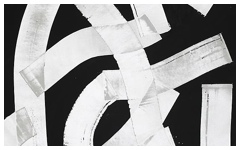
Many were scandalized by this painting in the 1990's yet still missed the "real" scandal!
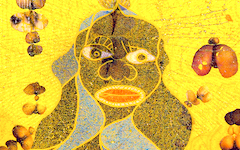
Ofili’s The Holy Virgin Mary (1996)
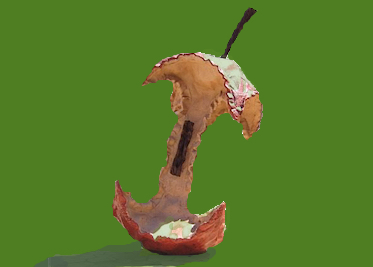

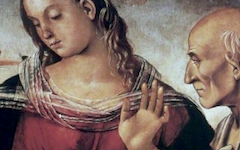
Find out why so many of Perugino's faces look alike
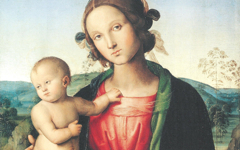
Perugino’s Madonna and Child (n.d.) and Mary Magdalene (1500)
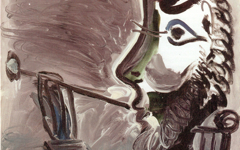
Two protagonists in one painting must both represent the artist. It's a given in art so it's your job to find out how.
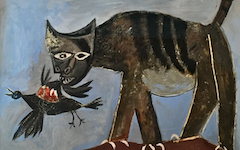
Picasso’s Cat Catching a Bird (1939)
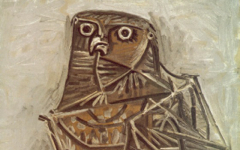
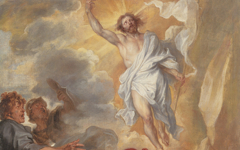
A resurrection by its very name suggests two realities: the old and the new, the illusory and the real.
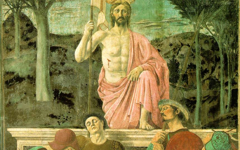
Piero della Francesca’s Resurrection (c.1458)
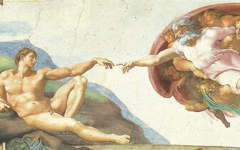
Sometimes the most difficult features to see in art are the most obvious
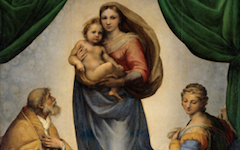
Raphael’s Sistine Madonna, Part 1 (1512)
How realism and the use of models fools the eyes. Art, one must remember, is never 'real' and never 'photographic'.

Rembrandt’s A Bearded Man in a Cap (1657)
How the setting is so rarely what you think....you must think differently
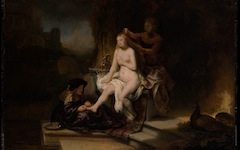
Rembrandt’s Bathsheba at Her Bath (1643)
See the sight which changes the meaning of all Rembrandt's art: Rembrandt is Christ
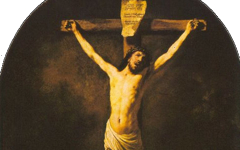
Rembrandt’s Crucifixion (1631)
See how Joseph is an artist staring at his work of art inside the artist's head
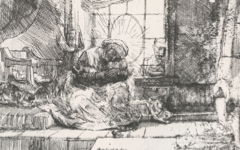
Rembrandt’s Holy Family with a Cat (1654)
If you didn't know that EPPH, you would never understand this image….nor would anyone else.
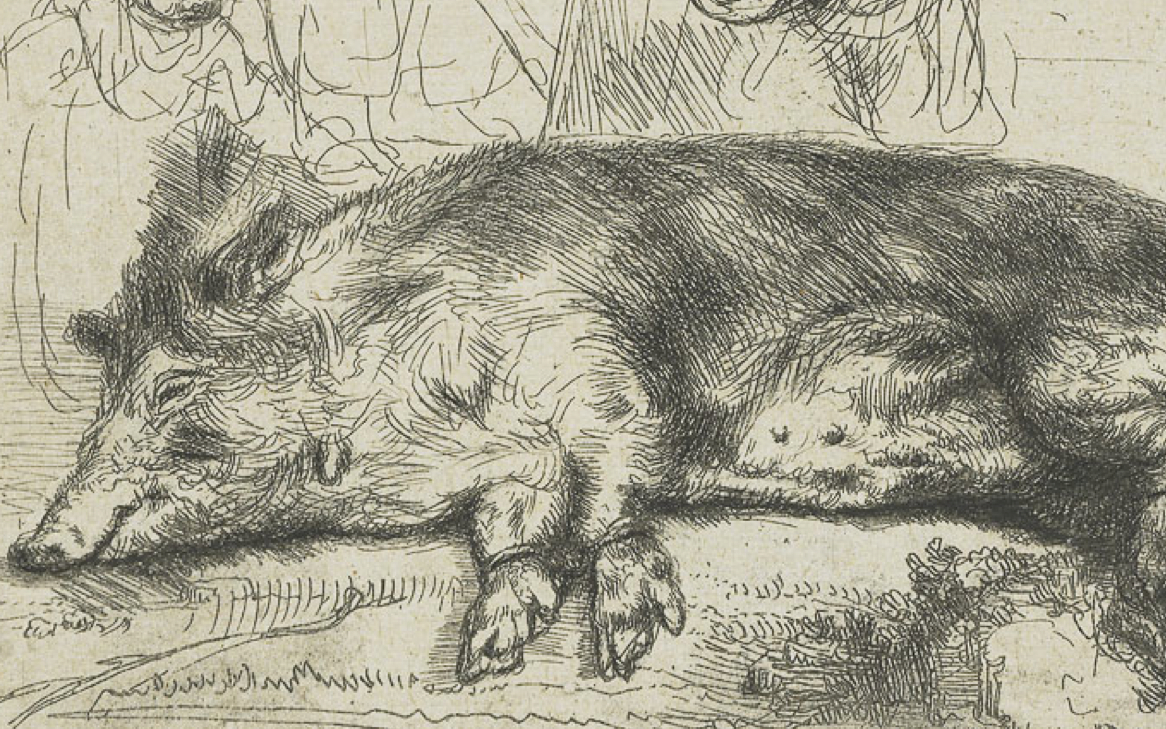
Rembrandt’s The Hog (1643)
The Inner Tradition as practised by a Catholic artist....
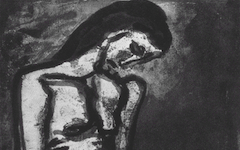
Rouault’s Miserere: Eternally Scourged (1922)
See how Rubens' own face is veiled behind a drawing of a forest path
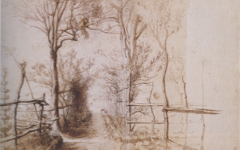
Rubens’ Forest Path (n.d.), a drawing
All art depicts the artist's mind. Here's one way you can see it.
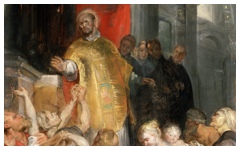
Rubens’ Miracles of St. Ignatius of Loyola (c.1619)
In a poster for an exhibition of his paintings (above) Egon Schiele drew on the age-old tradition of presenting St. Sebastian as a symbol for the artist himself suffering the pangs of artistic creation.
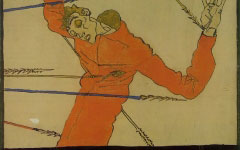
Schiele’s Self-portrait as Saint Sebastian (1914-15)
How even in the 15th century an artist thought of himself as Christ...and said so.
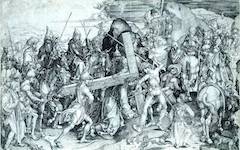
Schongauer’s Christ Carrying the Cross (c.1475)
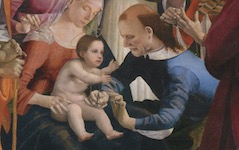
Look at art from every which way you can. You never know what you might see.
Signorelli’s Virgin & Child with John the Baptist and Donor (c.1491-4)
It is impossible to exaggerate the importance of how Renaissance artists identified with God. Both pervasive and unknown, the idea needs emphasizing to demonstrate its near-ubiquity. Here is yet one more example by Titian.
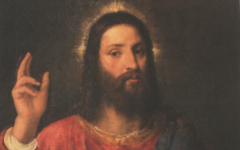
Titian’s Christ Blessing (c.1560)
Baudelaire's linking of Painting with cosmetics in the nineteenth century was not a novel idea, as long believed, but one with a very long history indeed
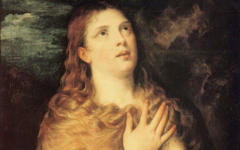
Titian’s Mary Magdalene(s) (c.1530-60)
A much-loved painting contains a marvelous self-portrait in the clouds
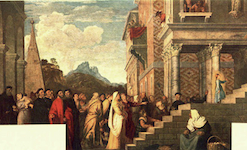
Titian’s Presentation of the Virgin in the Temple (1534-38)
The more you try to see what others can't, the more you'll see
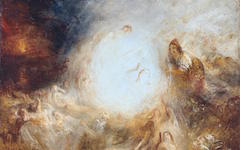
Turner’s Undine Giving the Ring to Masaniello, Fisherman of Naples (c.1845-6)
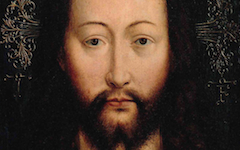
Van Gogh is one of the few artists whose hidden elements revealed on EPPH confirm the conventional view of his art.
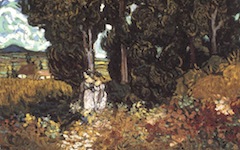
Van Gogh’s Cypresses with Two Female Figures (1889)
This picture uses so many of the themes and methods explained on EPPH that I can note only a few. Try exercising your own perception on the rest.
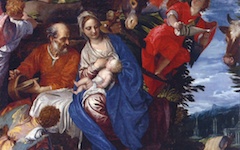
Veronese’s Rest on the Flight into Egypt (c.1572)
Sometimes one of the secrets of art is so obvious, no-one sees it
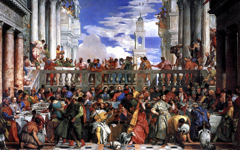
Veronese’s The Marriage at Cana (1563)
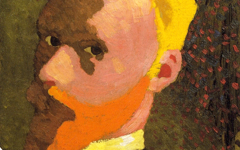
In this late painting Zurburan reveals what is hidden elsewhere
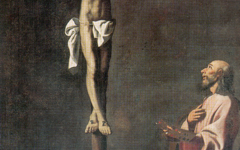
Zurburan’s St. Luke as a Painter (1660)
© Simon Abrahams. Articles on this site are the copyright of Simon Abrahams. To use copyrighted material in print or other media for purposes beyond 'fair use', you must obtain permission from the copyright owner. Websites may link to this page without permission (please do) but may not reproduce the material on their own site without crediting Simon Abrahams and EPPH.