Letters in Art
One little-known artistic method is letter-based, an artist’s use of their own name or initials to indicate subjectivity. A signature is conventionally considered a sign of authorship and nothing more but, as a number of scholars have pointed out within their own specialty, the careful placement of a signature adds meaning too.1 This ought to be better known and considered in the interpretation of any work of art. What you need to know, though, is something even more fascinating and rarely seen by those who are not artists themselves: the hidden presence of an artist’s initials or the letters of their name. By disguising the letters as objects in nature, the viewer “reads” them as images of something else and thus misses the artists’ meaning. Study the examples here and you will see the same method in other art because, as we always emphasize, if you do not know that artists do such things, you cannot see them.
All Articles (Alphabetical by Artist, then Title)
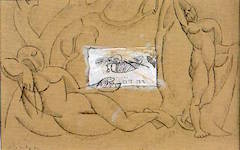
Yet more evidence that the adolescent Picasso understood the self-referential paradigm of art
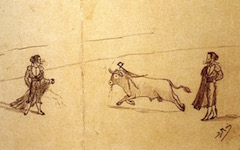
Picasso’s The Last Bull (1892)
Learn how Picasso used another artist's name to represent his own identification with the great masters of the past
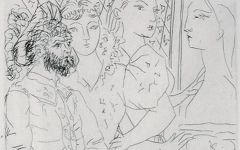
Picasso’s Three Actors (1933)
Just like Michelangelo's, Picasso's women are masculine too....here's how and why.
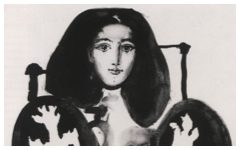
Picasso’s Woman in an Armchair (1948)
See how Picasso writes his own identity over someone else's face
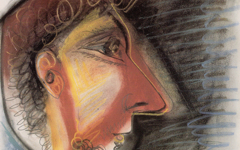
Picasso’s YO’s in Piero Crommelynck (1966-71)
See the miraculous head of Christ in Poussin's painting that no-one but artists has ever noted. The painting is up for sale next week with an estimate of $30 million.
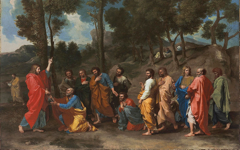
Poussin’s Ordination (1640’s)
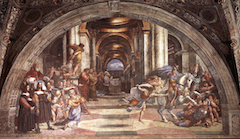
New revelations, as always, about one of the world's most famous portraits

Raphael’s La Donna Velata (c.1516)
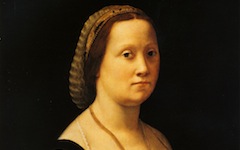
How even the young Raphael depicted the divinity of the artist's mind
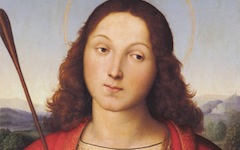
Raphael’s Saint Sebastian (c.1502-3)
Sometimes the most difficult features to see in art are the most obvious
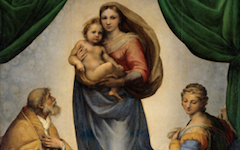
Raphael’s Sistine Madonna, Part 1 (1512)
Find out why people pee on etchings
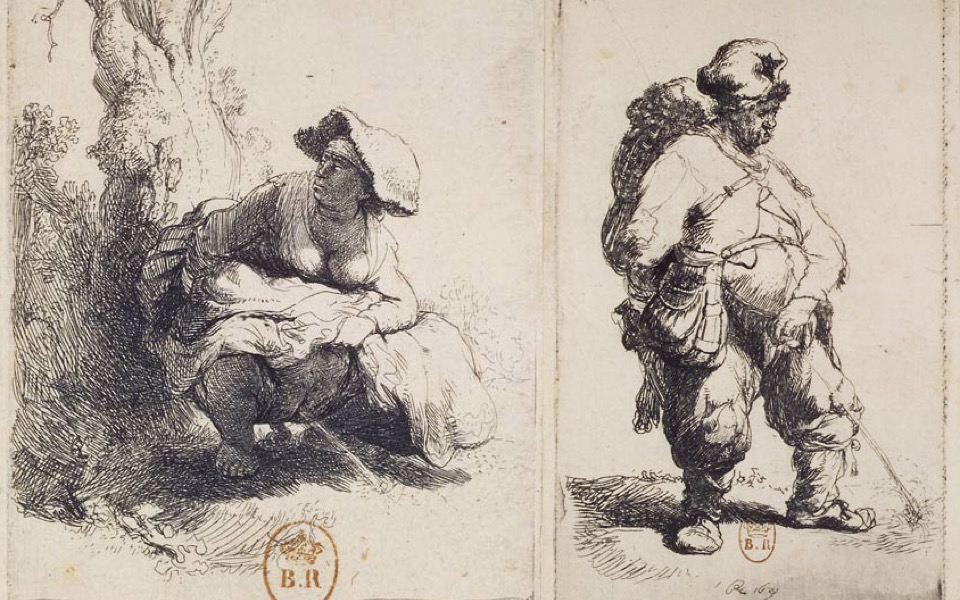
Rembrandt’s Man Making Water (1631) and Woman Making Water and Defecating (1631)
Discover a common way how artists demonstrate their identity with their protagonist. You can use the method to interpret other paintings by other artists.
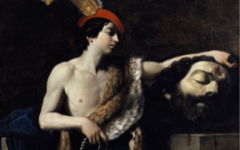
Reni’s David with the Head of Goliath (1605)
If you like Renoir but can't see Raphael, you won't see Renoir's Raphael
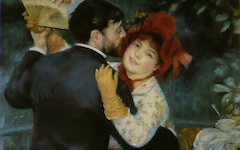
Renoir’s Dance in the Country (1883)
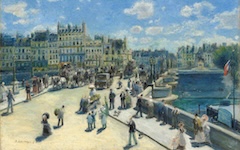
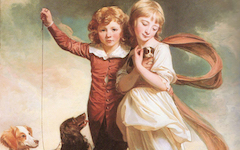
In photographs taken with a macro lens, showing an object in extreme close-up, it can be difficult to recognize the subject. It is the same in painting. However, if you know it's a close-up, it's easier.
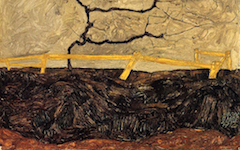
Schiele’s Bare Tree Behind a Fence (1912)
In the epistle of an apostle, the letters matter; as they also do in the self-portrait of a prophet, even if self-proclaimed.
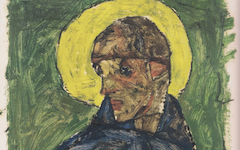
Schiele’s Self-portrait as a Saint (1913)
In the lower right corner of Martin Schongauer's Adoration of the Magi is an innappropriate detail unrelated to the story of the Magi, a dog clawing at the ground. Why is it there and what could it mean?
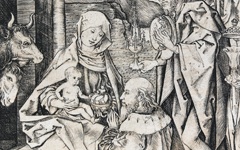
Schongauer’s Adoration of the Magi
How even in the 15th century an artist thought of himself as Christ...and said so.
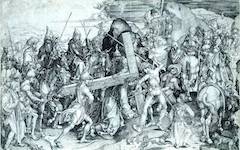
Schongauer’s Christ Carrying the Cross (c.1475)
In Martin Schongauer’s woodcut of St. George and the Dragon, the monster is an alter ego of the artist. Or, at least he represents an aspect of the artist’s mind.
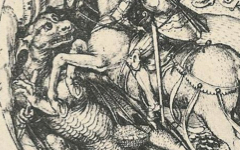
Schongauer’s St. George and the Dragon (c.1480)
Look at art from every which way you can. You never know what you might see.
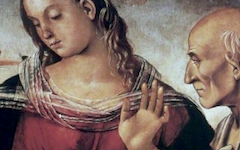
Signorelli’s Virgin & Child with John the Baptist and Donor (c.1491-4)
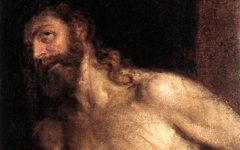
Look for the artist's initials where you might expect them
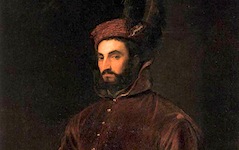
Titian’s Portrait of Ippolito de’ Medici (1533)
See what Manet recognized in Titian and how we can then learn it from Manet
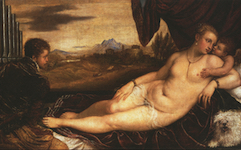
Titian’s Venus (c.1548-9) and Manet’s Olympia (1863)
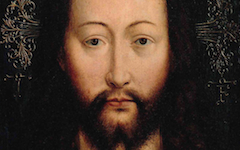
Landscapes, if art, are never just landscapes. Are they even landscapes? The Chinese call them "Mindscapes"
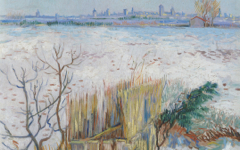
Van Gogh’s Snowy Landscape with Arles in the Background (1888)
The Velazquez that the Louvre doesn't show anymore is not what curators think. Ask Millet, Manet, Degas, Matisse or Picasso....
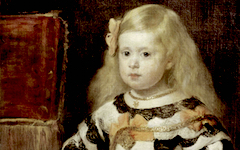
Velazquez’s Infanta Margarita (1653)
There is more to Vermeer than a pretty scene and dull symbolism
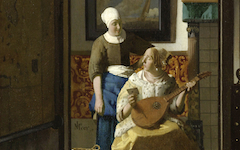
Vermeer’s The Love Letter (c.1669-70)
This picture uses so many of the themes and methods explained on EPPH that I can note only a few. Try exercising your own perception on the rest.
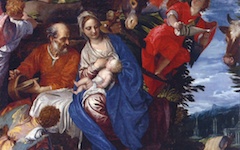
Veronese’s Rest on the Flight into Egypt (c.1572)
© Simon Abrahams. Articles on this site are the copyright of Simon Abrahams. To use copyrighted material in print or other media for purposes beyond 'fair use', you must obtain permission from the copyright owner. Websites may link to this page without permission (please do) but may not reproduce the material on their own site without crediting Simon Abrahams and EPPH.