LouvreParis, France
Works of Art in Louvre
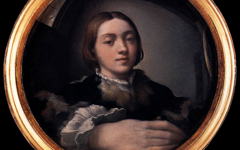
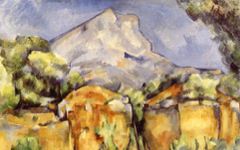
How others have already recognized Cézanne's late portraits as "portraits" of himself.
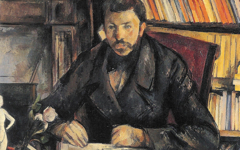
Cézanne’s Portrait of Geffroy (1895) and later portraits
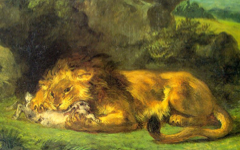
Fouquet's king, Bernini's Richelieu and Rigaud's Louis XIV have more in common with your innermost self than you probably realize
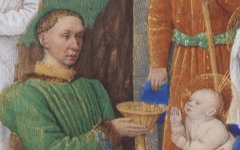
Fouquet’s Charles VII, Bernini’s Richelieu and Rigaud’s Louis XIV
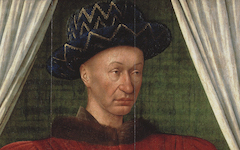
Conventional scholars sometimes recognize in a single work of art what we show is common in art generally.
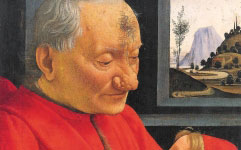
Ghirlandaio’s Portrait of an Old Man and Child (c.1490)
Sent on a mission to paint a potential queen for the blood-thirsty and dangerous Henry VIII, how did Holbein "paint" himself in painting the future Queen?
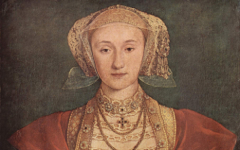
Holbein’s Anne of Cleves (c.1539)
How an artist, the artist's lover, is Ingres' own androgynous reflection
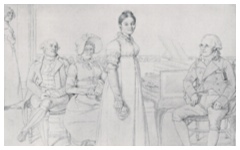
Ingres’ The Forestier Family (1806)
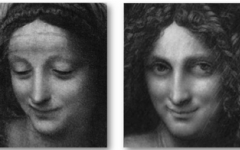
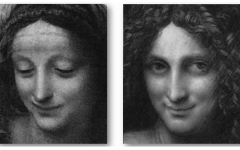
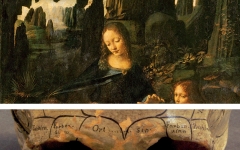
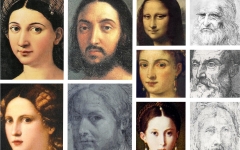
The widespread misconception that Leonardo's portraits are depictions of real people can only be grasped as a misconception when one recognizes that even his depictions of biblical figures are not what they seem.
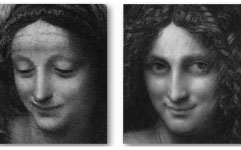
Leonardo’s Faces
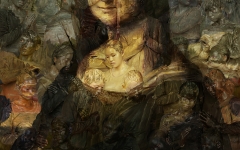
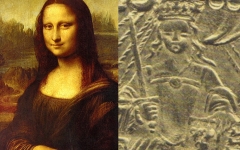
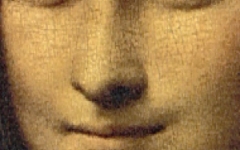
The most crucial piece of information about the Mona Lisa missing from standard textbooks is that the proportions of the Mona Lisa’s face differ from an earlier version seen in X-rays but are similar to the artist’s own in a well-known self-portrait.
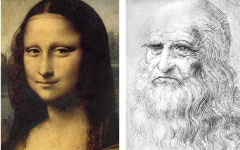
Leonardo’s Mona Lisa (c. 1503-7)
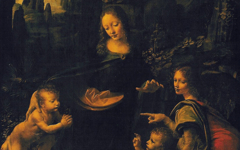
Catching a glimpse of the divine or true good in our own being can be the start of a spiritual transformation as Lotto shows
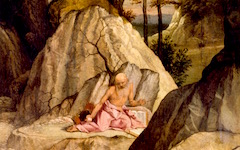
Lotto’s St. Jerome (c.1506)
A wonderful example of how blind anyone can be using the wrong form of visual perception
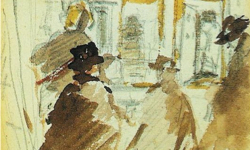
Manet’s Exhibition of Paintings (c. 1876)
See how Mantegna like many other masters uses the Execution of St Sebastian to convey the idea that 'every painter paints himself.'
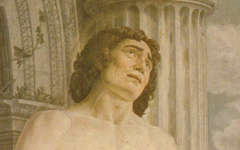
Mantegna’s Saint Sebastian (1480)
See how Michelangelo continued tradition while he changed it
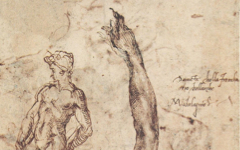
Michelangelo’s Study for a Bronze David (c.1502-03)
Discover how you can unlock layers of meaning from a relatively simple composition
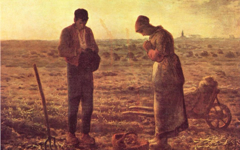
Millet’s The Angelus (1857-9) and other works
Discover a common way how artists demonstrate their identity with their protagonist. You can use the method to interpret other paintings by other artists.
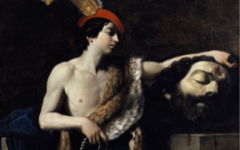
Reni’s David with the Head of Goliath (1605)
See how Rubens turned a variation on a Leonardo composition into a scene of creative struggle in his own mind
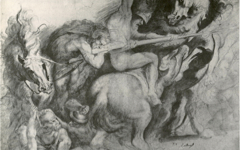
Rubens’ Battle of the Standard (c.1600) after Leonardo
EPPH Blog Posts Related to Louvre

© Simon Abrahams. Articles on this site are the copyright of Simon Abrahams. To use copyrighted material in print or other media for purposes beyond 'fair use', you must obtain permission from the copyright owner. Websites may link to this page without permission (please do) but may not reproduce the material on their own site without crediting Simon Abrahams and EPPH.