Veiled Faces
This may be the most controversial suggestion because it has been proposed by many lay experts before and denounced by the academics every time as foolish and mistaken. Certainly, there have been some outlandish claims but to dismiss all of them, some of them highly important, is equally foolish. This is the truth: under the apparent surface of many great paintings, especially landscapes, is a hidden face. Sometimes it is the artist’s, sometimes an admired poet’s or, as in most instances, still anonymous. Academics comment in disagreement “that you can see what you want to see” but the self-evident examples shown here make that response untenable. Practising artists, however, when shown these examples have unanimously agreed with our perception, many with comments like “That’s how an artist thinks.”
All Articles (Alphabetical by Artist, then Title)
Leonardo's closely observed landscape turns into something else entirely but only if you expect it
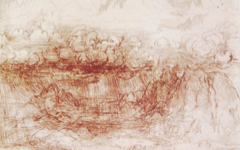
Leonardo’s Storm Over the Alps (c.1499)
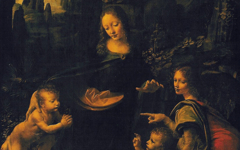

A famous but much maligned painting has more poetry in it than its critics think
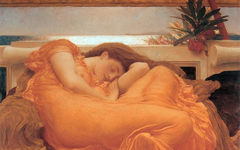
Lord Leighton’s Flaming June (1895)
Catching a glimpse of the divine or true good in our own being can be the start of a spiritual transformation as Lotto shows
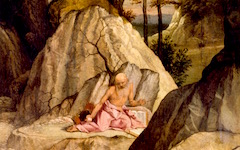
Lotto’s St. Jerome (c.1506)
If an artist's first and last initials are the same, or his initial matches that of his hometown, like Lucas van Leyden's, it is more than likely to appear in his work as well.
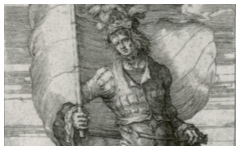
Lucas van Leyden’s Standard-Bearer (c.1510)
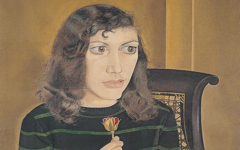
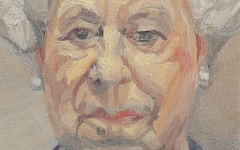
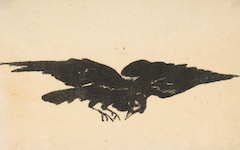
There is more to the Tragic Actor than meets the eye. Find out what's there that others cannot see.
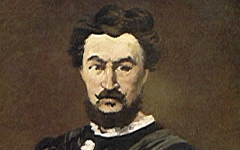
Manet’s Tragic Actor (1865-6) Part 2
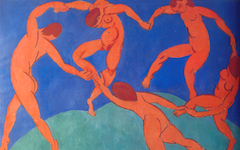
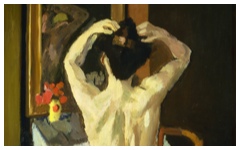
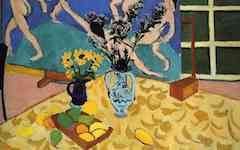
To see what's in a painting can take a very long time... 15 years, in this case.
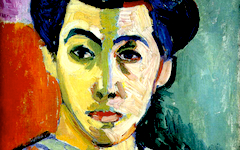
Matisse’s The Green Line (1905)
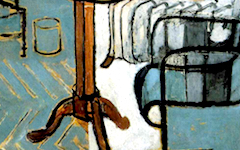
Look for the eyes. Then the face. Never forget to look for them because you can find them anywhere in art.
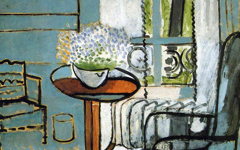
Matisse’s The Window (1916)
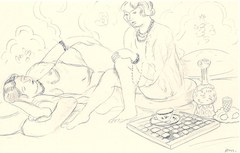
See how Notre-Dame, France's cathedral and symbol of the nation, becomes Matisse's
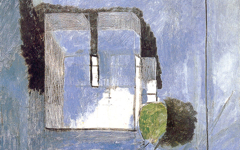
Matisse’s View of Notre-Dame (1914)
There is yet more meaning in the drawing as we see in Part 2 of this analysis
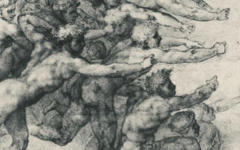
Michelangelo’s Archers Shooting at a Herm (c.1530) Part 2
There's probably more unseen in Michelangelo's Sistine Chapel than has ever been known....
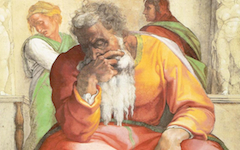
Michelangelo’s Sistine Ceiling: Jeremiah (c.1509-10)
Miró's inventive and individualistic style, however modern, is merely a complement to his deep traditionalism. And that's as it should be.
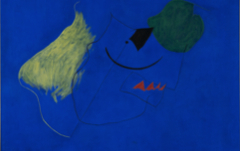
Miró‘s Painting / The Circus Horse (1927)
See how a seemingly abstract painting is not quite so abstract after all
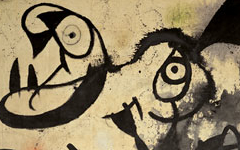
Miró‘s Women, Birds August 2 1973 (1973)
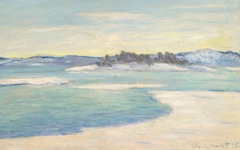
Is landscape portraiture? Monet clearly thinks so.
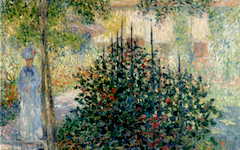
Monet’s Camille Monet in the Garden at Argenteuil (1876)
Underneath the architecture of Monet's cathedrals is a major surprise
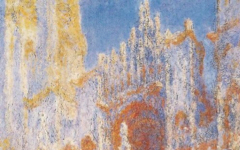
Monet’s Rouen Cathedral (1892-4)
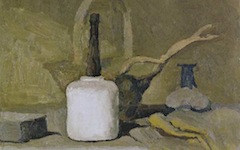
Like scripture, there are two ways to view a landscape: externally and internally. See how...
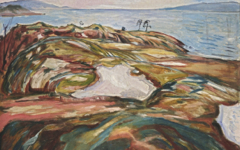
Munch’s Coastal Landscape (1918)
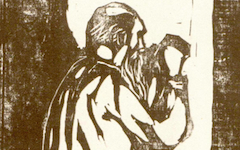
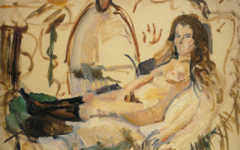
Peale's American portraits have more in common with great European art than is generally accepted.
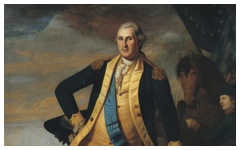
Peale’s Portrait of George Washington (c.1780)
Two protagonists in one painting must both represent the artist. It's a given in art so it's your job to find out how.
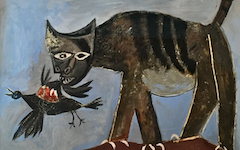
Picasso’s Cat Catching a Bird (1939)
See how Picasso turns one scene into another in ways that have never been seen
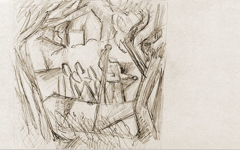
Picasso’s Five Figures in a Boat (1909)
Picasso turned the face of a Spanish queen into a townscape by fusing the two
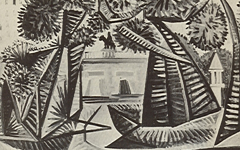
Picasso’s Le Vert-Galant (1943)
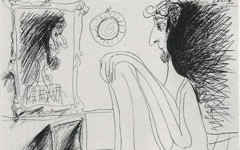

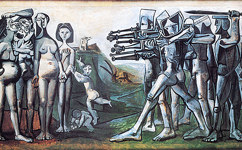
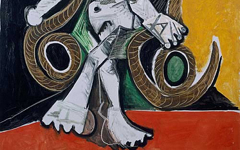
Genres are an artificial classification of little meaning. For instance, as here, still-life without life would be still-born.
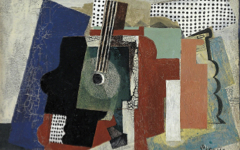
Picasso’s Still-Life with Door, Guitar and Bottles (1916)
Picasso at his most abstract is still figurative in ways that have never been seen
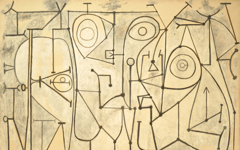
Picasso’s The Kitchen (1948)
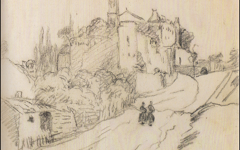
See the miraculous head of Christ in Poussin's painting that no-one but artists has ever noted. The painting is up for sale next week with an estimate of $30 million.
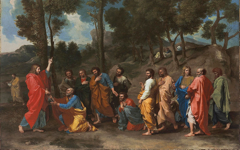
Poussin’s Ordination (1640’s)
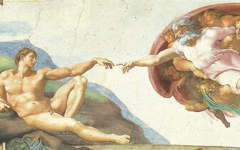

How the setting is so rarely what you think....you must think differently
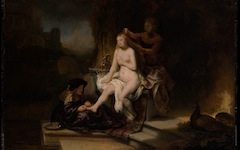
Rembrandt’s Bathsheba at Her Bath (1643)
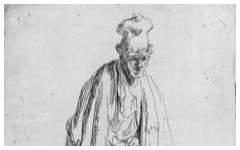
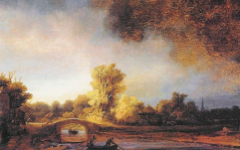
Find out why people pee on etchings
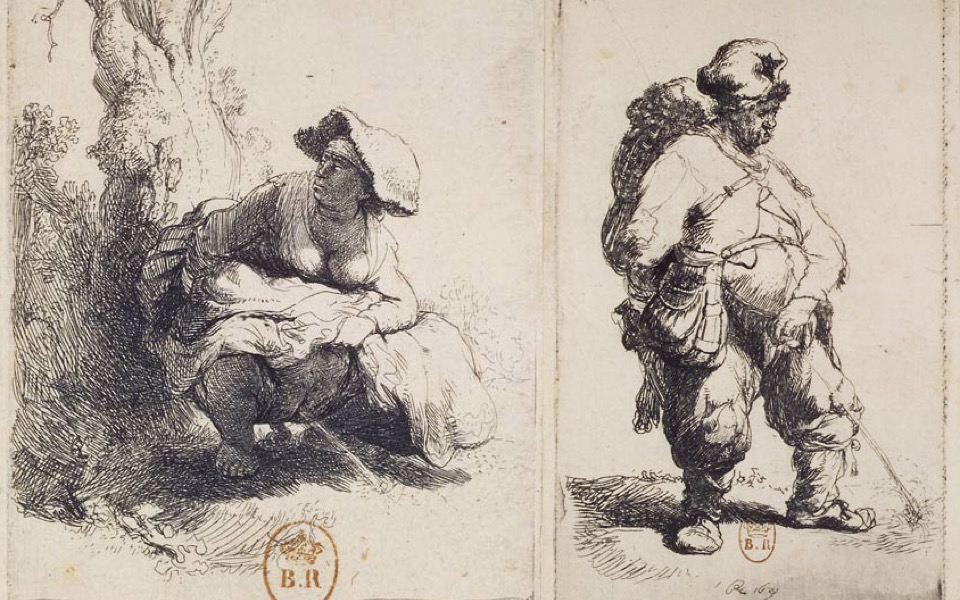
Rembrandt’s Man Making Water (1631) and Woman Making Water and Defecating (1631)
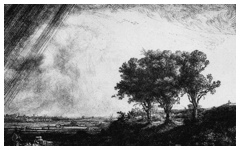
The presence of a mystery in an artwork, intentionally made mysterious by the artist, does not mean that the mystery cannot be solved. Mysteries are made to be resolved.
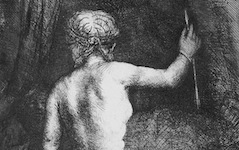
Rembrandt’s Woman with the Arrow (1661)
If you like Renoir but can't see Raphael, you won't see Renoir's Raphael
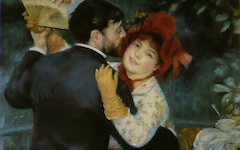
Renoir’s Dance in the Country (1883)
© Simon Abrahams. Articles on this site are the copyright of Simon Abrahams. To use copyrighted material in print or other media for purposes beyond 'fair use', you must obtain permission from the copyright owner. Websites may link to this page without permission (please do) but may not reproduce the material on their own site without crediting Simon Abrahams and EPPH.